¿Lo volvería a hacer todo de nuevo?
¿Es una pregunta con trampa? Ya sabes cómo me siento respecto a las preguntas. En muchos sentido, valoro más la pregunta que la respuesta. ¿Cuántas veces me has oído pontificar sobre la gente que insiste en tener la respuesta correcta, solo para descubrir que estaban haciendo la pregunta equivocada?
Pero muerdo el anzuelo.
¿Volvería a hacer qué?
O, como alguien más famoso que yo preguntó alguna vez: depende de qué sea “eso”.
Si me preguntas si duplicaría los últimos catorce meses, o tal vez los últimos dos o tres años, la respuesta es sin duda no.
No lo duplicaría.
Habría intentado mucho más que el dinero que habíamos ahorrado durante toda la vida durara más. Habría tenido un presupuesto. Me habría preparado mejor para las emergencias médicas, aunque incluso en retrospectiva no estoy convencido de que hubiéramos tenido acceso a un seguro adecuado.
Habría manejado algunas relaciones de otra manera. Habría hecho que algunos de los chicos se ganaran mi confianza, respeto y amor un poco más lentamente. Habría tenido más cuidado al regalar dinero.
Una cosa para la que no estaba nada preparado era entender lo que significaba nuestro dinero en Colombia.
Nos considerábamos personas de recursos modestos y, para los estándares estadounidenses, lo éramos. Para algunos de nuestros amigos colombianos, parecíamos multimillonarios.
Sinceramente pensábamos que estábamos ayudando a la gente. A veces todavía creo que lo hicimos. A veces la generosidad se mezclaba con el afecto, la expectativa y nuestro propio deseo de hacer feliz a la gente. No tengo un libro de contabilidad ordenado que me diga qué regalos fueron buenas decisiones y cuáles fueron errores costosos.
Ya no sé si desearía hacerlo o si me alegra no hacerlo.
También habría entendido que visitar un país durante semanas o meses seguidos, quedarse en Airbnbs, comer fuera, viajar y hacer amigos —con las mejores intenciones— no era realmente la debida diligencia para mudarse allí.
Fue unas largas vacaciones en drag.
O tal vez solo arte de performance.
Lo llamamos diligencia debida porque sonaba bien. Legitimizaba la fantasía alocada. Sé que escribí y dije esa frase más de una vez.
No fue una mentira. Lo intentamos. Teníamos un plan. Teníamos metas. Teníamos un objetivo. No queríamos fracasar.
Pero la diligencia debida es lo que haces antes de que la experiencia te enseñe lo que no sabías lo suficiente como para preguntar.
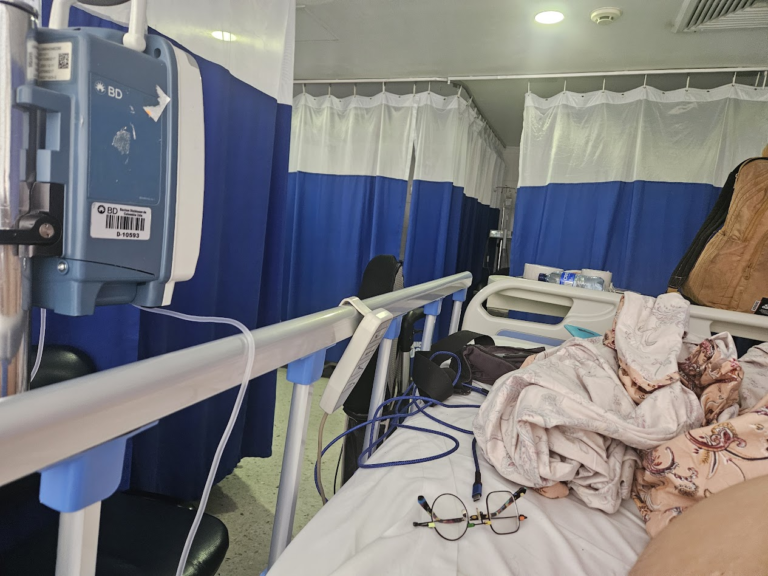
Una nueva cultura no se aprende en unos pocos meses. No estoy seguro de que se pueda aprender en un par de años. Y ciertamente no puedes saber cómo será envejecer a pesar de tus mejores intenciones, enfermarte de nuevo después de toda una vida de enfermedades extrañas, quedarte sin dinero y volverte dependiente de sistemas y personas que apenas entendías cuando llegaste.
Las cosas empezaron sobre ruedas.
Teníamos dinero.
Lo que no teníamos era un presupuesto.
O un seguro para una crisis.
Nuestra salud era bastante buena, dentro de todo. Podíamos subirnos a un avión o a un autobús e ir a alguna parte simplemente porque queríamos conocerla. Nunca llegamos a las costas, pero exploramos gran parte de la Colombia andina. Nos quedamos en distintas ciudades. Visitamos pueblos. Comimos bien. Casi todos los lugares donde dormimos tenían ducha de agua caliente, un lujo para muchos colombianos.
Conocimos a personas que solo conocíamos en línea y descubrimos que en la vida real también nos caíamos bien. Muchos de ellos siguen en nuestras vidas, o quizás, más exactamente, nosotros seguimos en las de ellos.
La vida era buena. La aventura fue increíble.
Nuestro mentor financiero me advirtió antes de irnos: “No es tanto dinero como crees, Jon”.”
Tenía razón.
La gente rica puede vivir de vacaciones así todo el tiempo. La clase media tal vez pueda hacerlo una o dos semanas al año. La gente de recursos modestos como nosotros quizás lo haga una vez en la vida. Los verdaderos pobres tienen suerte si al menos pueden soñarlo.
Y por Dios, qué experiencia de vida ha sido.
Colombia era exótica para mí. No me importa si esa es la manera políticamente correcta de decirlo o no. Lo exótico es subjetivo, y para un chico gay de una granja en Kansas, Colombia era exótica.
El clima. La biodiversidad. Grandes ciudades y pueblos pintorescos. Comodidad moderna y sencillez rural. Montañas, selva y playas.
Y jóvenes que vivían, se tocaban y se relacionaban entre sí de manera diferente a como yo estaba acostumbrado.
Especialmente esa última parte.
En algún lugar por aquí, la pregunta empezó a escapárseme de las manos.
Las relaciones que Michael y yo formamos en Colombia se convirtieron en una de las partes más importantes de la experiencia, y en una de las más difíciles de explicar de maneras que tengan sentido tanto fuera como dentro de la cultura colombiana.
El dinero era inevitablemente parte de algunas de esas relaciones. Creaba tiempo y movilidad. Nos permitía invitar a cenar a alguien que no podía pagar el restaurante, o decir: “Vayamos a pasar unos días explorando ese pueblo”, cuando la respuesta de otro modo tenía que ser: “No me lo puedo permitir”.”
A veces pagábamos.
A veces ayudábamos.
A veces, admito que nos pasamos de la raya.
Pero lo que más importaba no era solo lo que comprábamos.
Fue lo que pasó mientras estuvimos juntos.
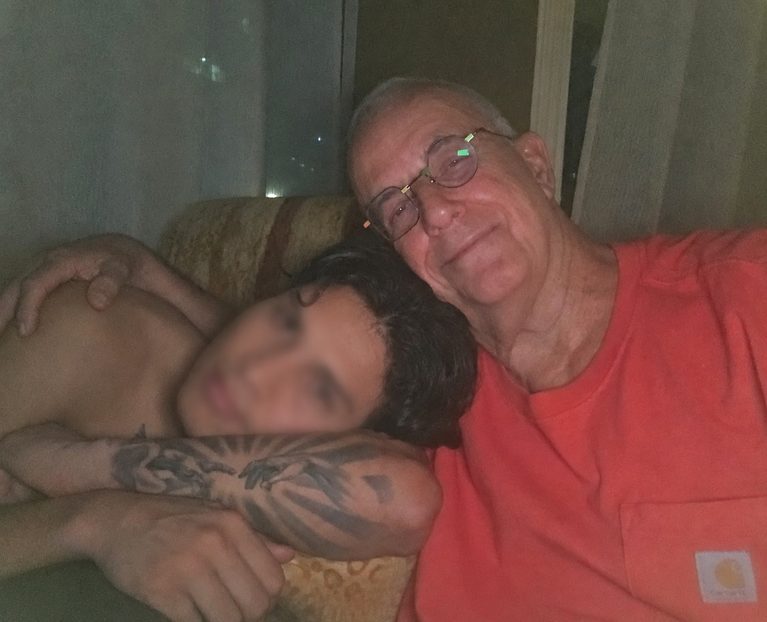
Afecto e intimidad. Nuevas amistades. Las extrañas y maravillosas formas en que las relaciones aquí se desarrollaron a través de enormes diferencias de edad, cultura, dinero, sexualidad y experiencia de vida.
Hay mucho más que quiero decir al respecto.
Aquí no.
Me prometí que no iba a escribir otro libro hoy.
Así que permítanme regresar la pregunta al punto donde empezó.
¿Lo volvería a hacer?
Espera un minuto.
¿Cómo que otra vez?
Lo sigo haciendo.
Todavía estoy en Colombia. Sigo viviendo con las consecuencias y recompensas de las decisiones que tomamos. La aventura no ha terminado simplemente porque ahora me veo obligado a ver algunas de las cosas que habría—debería—haber hecho de otra manera.
Si la pregunta es si duplicaría exactamente lo que Michael y yo hicimos, la respuesta es categóricamente no, incluso si eso fuera de algún modo posible.
Tendría un presupuesto. Tendría seguro si pudiera conseguirlo, o un plan de escape si no pudiera. Mantendría más dinero en reserva. Pondría a prueba las relaciones con más cuidado. Comprendería que la aventura y la inmigración no son lo mismo.
Estaría menos seguro de haber entendido una cultura simplemente porque la amaba. Al menos algunas partes de ella.
Pero si la pregunta es si volvería a pasar parte de mi vejez en un intento loco y extravagante de encontrar otra forma de vivir —experimentar otra cultura, conocer gente que de otro modo nunca habría conocido, y subirme a un avión para ir a algún lado simplemente porque todavía quedaba algún lugar por explorar—
sí.
Lo haría. Si pudiera.
Es fácil decir eso después de que se han expuesto los errores y se ha dado la lección, si es que aún no se ha aprendido.
El problema de la retrospección con la perspectiva que da el tiempo, también conocida como cuestionamiento retrospectivo, es que los sobrevivientes que miran hacia atrás tienen la ventaja de saber cosas que la persona al comienzo de la historia no podría haber sabido ni siquiera imaginado.
¿Lo volvería a hacer? Pregúntame cuando termine.
P.D. Y sí, antes de que alguien pregunte—el Campaña de Ko-fi sigue vivo y coleando.