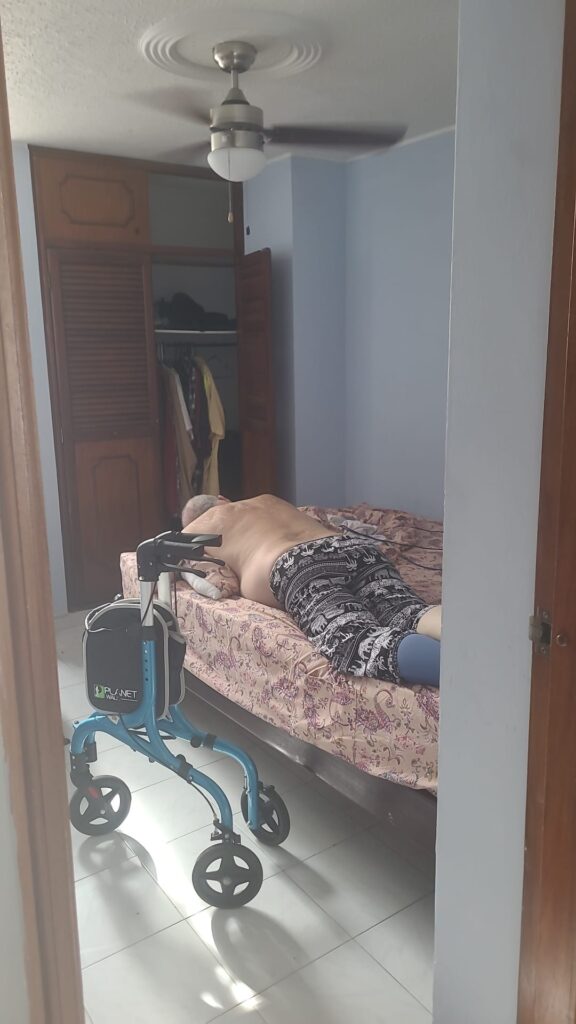
Soporte de cuerpo completo en el colchón. No dormir sentado.
Un día de dolor típico: Lo que no ves en las redes sociales
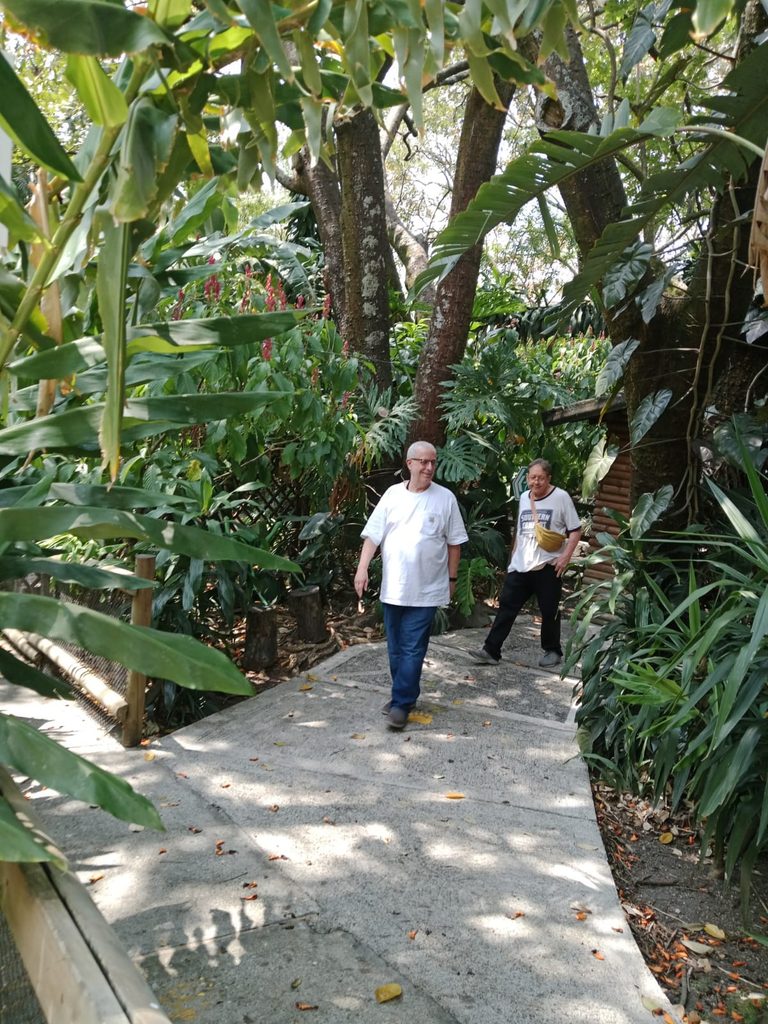
Me gustaría pensar que la mayor parte del tiempo, con algunas excepciones, cuando me ves en un video o lees algo que he publicado, me estás viendo durante la parte más funcional de mi día. Incluso eso se ha convertido en un blanco vulnerable y escurridizo este año.
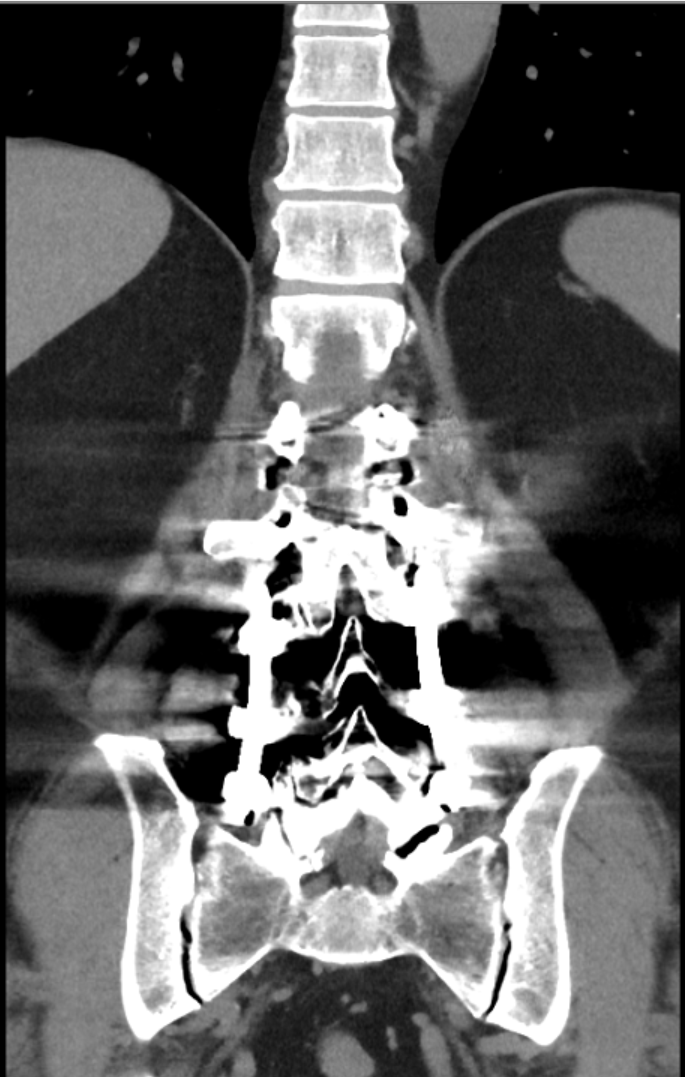
Lo que por lo general no se ve son las horas antes de que pueda funcionar: despertar con un dolor intenso, intentar levantarme de la cama, esperar a que pase lo peor, lidiar con los efectos de múltiples medicamentos para el dolor e intentar averiguar cómo seguir adelante.
El 24 de agosto de 2026, documenté esa parte de mi vida. No fue algo particularmente planeado. Si me han seguido por mucho tiempo, saben que he estado documentando mi vida durante muchos años. Esa mañana grabé varios videos, con mi teléfono y mi computadora, durante un período de aproximadamente 12 horas. El video a continuación combina fragmentos de esas grabaciones en orden cronológico, formando un relato de un día de dolor más o menos típico de estos tiempos.
La diferencia entre las tomas oscuras de la noche y la versión de mí más calmada más tarde en el día es el punto central.
La persona que ves más tarde es real. También lo es la persona que normalmente no ves. No son versiones competidoras de la verdad. Son dos estados de la misma persona, obligados a coexistir en la misma vida.
Una corrección de fecha: por error digo 24 de septiembre dos veces en el video. Estas grabaciones se hicieron el lunes 24 de agosto de 2026. El error está corregido en la pantalla y en los subtítulos en inglés y español. También es una pequeña muestra de lo confuso que se había vuelto mi cerebro aturdido por el dolor y los medicamentos.
Esto no es una dramatización. No está guionado. Es un registro crudo e imperfecto de lo que se ha convertido en un día típico para mí. Dejé parte de la repetición, la confusión, las groserías y el humor porque el dolor y los medicamentos afectan cómo pienso y me comunico. Es muy evidente que no estoy funcionando al 100% de mis capacidades anteriores. Ya no sé cuánta más negación se requiere para imaginar que el declive es temporal.
El dolor se ha apoderado reiteradamente del asiento del conductor de mi vida este último año y solo se ha vuelto más frecuente. A veces siento como si ni siquiera fuera ya un pasajero. Me siento secuestrado, drogado y encerrado en la cajuela, obligado a ir a donde sea que este ente no invitado y no deseado me lleve.
La esperanza es real. Esto también.
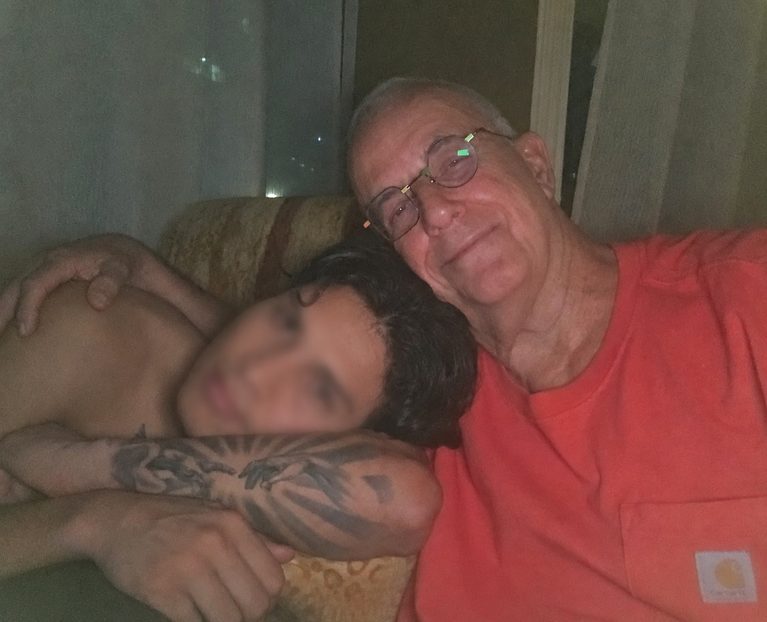
La mayoría de las actualizaciones de estado que comparto en las redes sociales son más luminosas y llenas de esperanza. Provienen de las partes de mi día en las que normalmente puedo funcionar y comunicarme. Tienden a mostrar cosas de belleza y alegría que descubro en Colombia; amor, diversión y felicidad. No quiero “apagarme” ahora con las personas que más se preocupan por nosotros. Sigo intentando construir un camino a seguir para Michael y para mí.
Esa esperanza es genuina. No es publicidad pegada sobre la desesperación. Pero mi compromiso con la transparencia también me exige mostrar que la esperanza no es la totalidad de mi realidad.
Michael y yo hemos intentado describir lo que esto nos hace emocionalmente. Lo hemos llamado un péndulo, pero eso suena más suave de lo que se siente. Lo hemos llamado altas y bajas, lo cual es exacto pero demasiado amable. El latigazo cervical emocional se acerca más a la verdad.
Los cambios pueden ser tan extremos que a veces nos preguntamos cómo dos personas, por lo demás razonablemente estables, pueden sentirse tan profundamente desorientadas. Una hora estamos haciendo planes. A la siguiente, el dolor, un revés médico o un nuevo mensaje pueden hacer que esos planes parezcan imposibles. No creemos que toda reacción intensa necesite una etiqueta psiquiátrica. Sí sabemos que la incertidumbre sostenida, el agotamiento, la medicación, el miedo y el dolor nos están pasando factura psicológica a ambos.
No podemos darnos el lujo de dejar de creer que hay razones para tener esperanza y planes que vale la pena hacer. Al mismo tiempo, el dolor puede trastocar esos planes sin previo aviso. Queremos ser sinceros, pero la honestidad también depende de cierta constancia en nuestras vidas. Eso es algo que a nosotros también nos ha costado encontrar.
Cada mañana, cada uno de nosotros se despierta con incertidumbre, no solo sobre el resultado de una prueba o exploración médica, o sobre si el día en sí se sentirá esperanzador o condenado. A veces hay temor en simplemente revisar WhatsApp, porque otro mensaje puede cambiar lo que creíamos saber el día anterior.
Este video pretende ser incómodo. Quiero que cambie la forma en que la gente comprende nuestra situación y espero que mueva a algunas personas a ayudarnos. La incomodidad no proviene de la puesta en escena ni de la exageración. Proviene de mostrar algo que normalmente se mantiene fuera de la vista.
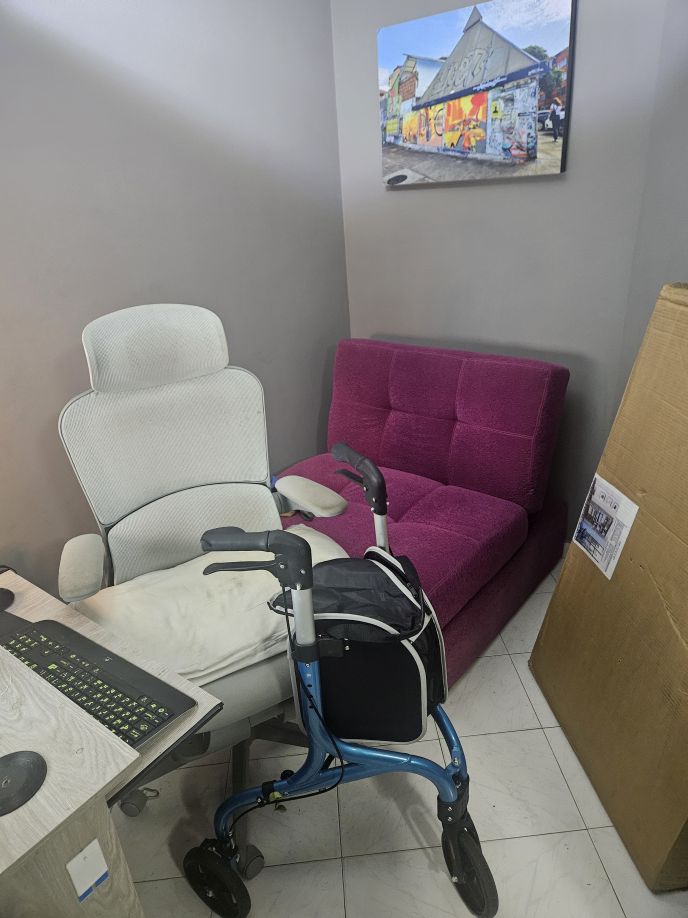
Hay algo más que me ha costado expresar con palabras: nuestras circunstancias nos parecen completamente extrañas. Michael y yo nunca antes habíamos estado tan indefensos, tan dependientes de otras personas, ni tan conscientes de que una mala decisión —o simplemente un golpe más de mala suerte— podría ponernos en peligro real.
Sabemos que hay personas cuyas vidas hacen que las nuestras parezcan un paseo por el parque. No hemos perdido esa perspectiva. Pero el sufrimiento no es una competencia, y la adversidad de los demás no nos hace más capaces de transitar la nuestra. Al final, solo podemos compararnos con nosotros mismos: con las personas que fuimos, los problemas que alguna vez supimos resolver y el nivel de control que alguna vez tuvimos sobre nuestras vidas.
Esa es la realidad que quería que este video revelara. No es la totalidad de nuestra vida, ni mucho menos, pero es una parte ya cotidiana que ya no puedo eliminar de la historia.
Escribiré por separado sobre lo que sigue para Michael y para mí. Nuestros planes, los obstáculos que tenemos por delante y las realidades financieras merecen su propia actualización honesta en lugar de ser amontonados en este relato de un día de dolor.
Si desea ayudar —o compartir la campaña con alguien más que pueda conmoverse para apoyarnos durante una mala racha—, por favor visite:
Gracias a todos los que ya han donado, compartido, nos han escrito, ofrecido ayuda práctica o simplemente se han tomado el tiempo de comprender. Cada una de esas cosas importa.
La necesidad sigue aquí. También mi determinación de seguir comunicándome con honestidad, lo mejor que pueda, a pesar del dolor.
Para ser completamente honesto, uno de mis mayores temores es que el dolor, el agotamiento y los medicamentos reduzcan mi capacidad para mantener este tipo de comunicación. Esa es otra razón por la cual estoy publicando esto ahora, de manera imperfecta, mientras aún puedo.
Nota sobre el contenido: El video incrustado incluye dolor crónico severo, angustia emocional, discusión sobre medicamentos opioides recetados para el dolor y lenguaje fuerte. Hay subtítulos disponibles en inglés y español latinoamericano.