Huyendo a Colombia—Parte 1
Puedo levantarme de la cama otra vez.
Eso no es lo mismo que estar bien.
Todas las mañanas comienzan con una negociación.
Ni con Michael. Ni con Colombia. Ni con médicos, bancos, arrendadores u oficinas gubernamentales.
Con mi cuerpo.
Me quedo completamente quieto unos momentos y hago un inventario antes siquiera de abrir los ojos. ¿Qué me duele hoy? ¿Qué funciona? ¿En qué pierna confío primero? Luego me giro hacia un lado, me impulso hacia arriba y me siento en la orilla de la cama mientras mis piernas deciden si tienen la intención de cooperar. Cuelgan ahí como dos empleados que se han presentado a trabajar pero que aún no se han puesto de acuerdo para hacer nada.
Me acerco al urinario y vacié mi vejiga, quitándome una preocupación más para cuando por fin ponga a prueba mi capacidad de ponerme de pie.
El andador espera junto a la cama.
Hace un año lo habría visto como una derrota.
Hoy toca equipo.
Lentes.
Auxiliares auditivos.
Teléfono.
Caminante.
La edad tiene una forma de editar tus definiciones.
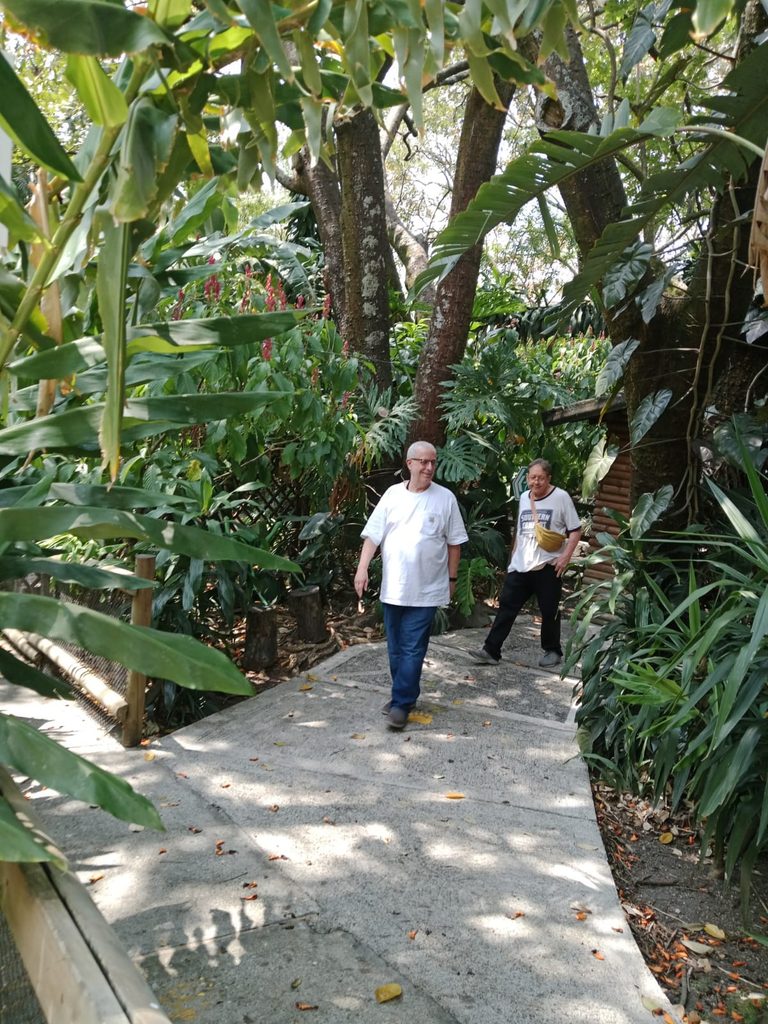
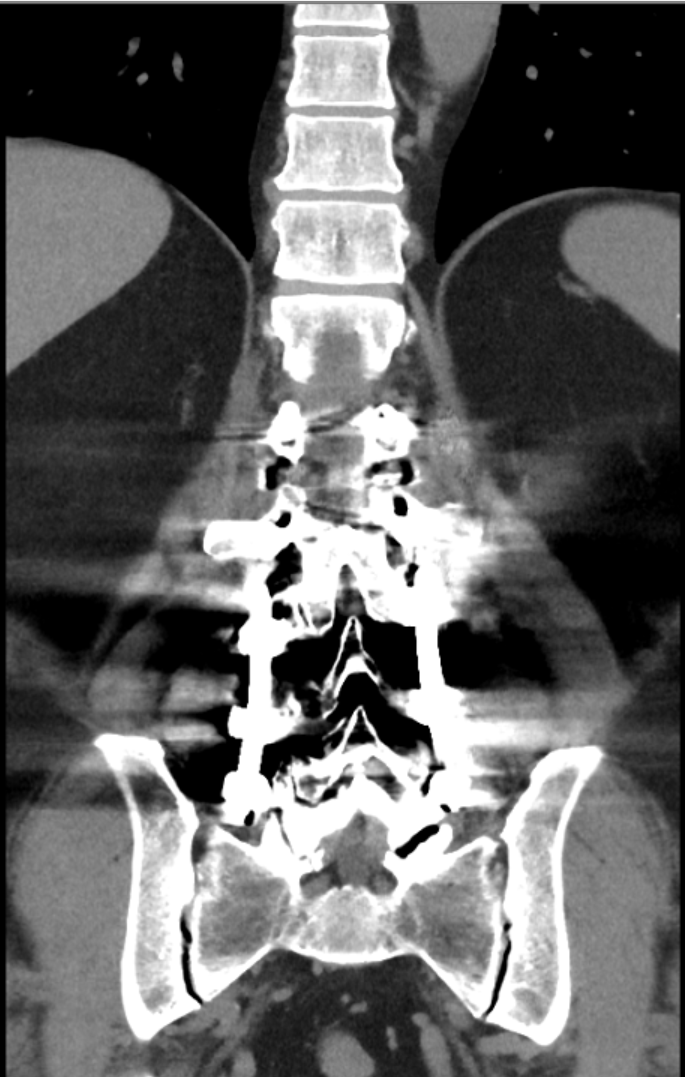
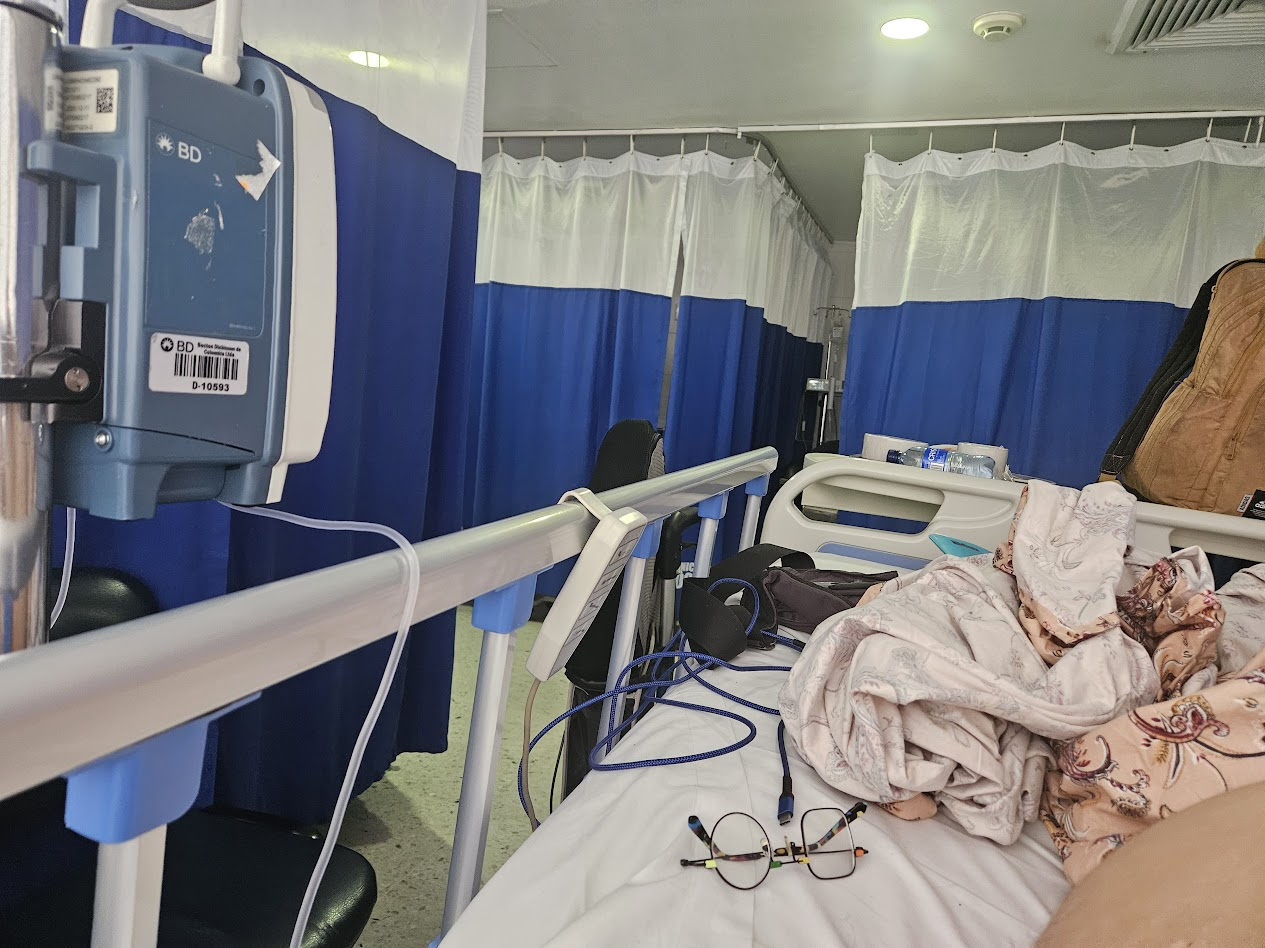
Tengo setenta años y vivo en Bucaramanga, Colombia. Hace pocas semanas regresé a casa después de pasar diez días en un hospital colombiano, completamente dependiente de los demás incluso para mis necesidades más básicas. Allí, los médicos me realizaron un procedimiento en la columna que redujo el dolor lo suficiente como para volver a pararme y caminar.
Incluso hice un video de YouTube llamado Puedo volver a caminar para celebrar mi éxito.
El título no era deshonesto.
Simplemente no estaba completo.
Caminar suena binario. O puedes o no puedes.
La realidad es más desordenada.
Por lo general, puedo caminar por nuestro departamento con un andador. Puedo preparar café, si estoy sentado en una silla con ruedas. Puedo tomar una ducha caliente, sentado con cuidado bajo el chorro poco entusiasta que se necesita para obtener agua verdaderamente caliente de una regadera eléctrica. Puedo caminar hasta el ascensor y, en un buen día, visitar al portero en el vestíbulo de nuestro edificio de departamentos. Más tarde, a menudo mi cuerpo se relaja lo suficiente como para que casi reconozca al hombre que solía ser.
Casi.
Mi pie derecho todavía se niega a hacer su parte justa del trabajo. Mi equilibrio ha desarrollado opiniones propias. Cada viaje de una habitación a otra comienza con un pequeño cálculo. ¿Vale la pena el esfuerzo? ¿Qué necesito llevar? ¿Dónde puedo sentarme si mis piernas deciden que ya han tenido suficiente a mitad de camino?
Aun así…
Puedo volver a caminar.
Esa oración merece gratitud.
Simplemente no cuenta toda la historia.
Durante varios meses antes del procedimiento, el dolor se había convertido en el principio rector de mi vida. Caminar dos metros hasta el baño podía sentirse como llegar a otro continente. Salir de la cama requería planificación, palanca, medicamentos, groserías y, a veces, la ayuda de Michael.
Recuerdo haber gritado.
Recuerdo haber visto a Michael observarme.
Hay pocas cosas más difíciles que ver a alguien que amas incapaz de rescatarte.
Curiosamente, no recuerdo el dolor en sí con tanta claridad como todo lo construido a su alrededor. Las almohadas. Las compresas de hielo. Las almohadillas térmicas. Los medicamentos alineados como soldaditos obedientes. Amigos que me acompañaban a las citas. Demasiadas citas. Traductores. Sillas de ruedas. Salas de espera.
El dolor es extraño de esa manera.
Mientras vives dentro de él, el dolor se convierte en todo el universo.
Cuando empieza a retirarse, la memoria guarda discretamente la mayor parte, dejando atrás la logística y los testigos.
El procedimiento no me devolvió mi viejo cuerpo.
Ese cuerpo ha abandonado el edificio.
Mi columna está fusionada en partes, estrechada en otras, con artritis en todas partes y cada vez más dispuesta a no negociar de buena fe. La rehabilitación tal vez me haga más fuerte. La fisioterapia quizás mejore mi equilibrio. El ejercicio puede preservar las habilidades que aún poseo.
Ninguno de ellos me va a devolver los treinta y cinco años.
Eso es decepcionante.
También es liberador de extrañas maneras que todavía estoy descubriendo.
En algún momento del año pasado dejé de preguntar cómo volver a la normalidad.
Comencé a hacer una pregunta diferente.
¿Qué es lo que más vida me da ahora?
A veces la respuesta es un andador.
A veces me pregunto si podría ser un carrito de movilidad.
A veces es elegir pagarle a alguien para que me ayude con algo que tercamente insisto en que todavía debería poder hacer yo mismo.
He pasado la mayor parte de mi vida creyendo que la independencia significaba hacer todo uno mismo.
Empiezo a sospechar que la independencia en realidad significa decidir a dónde pertenece la ayuda.
Esa pregunta es una de las razones por las que Michael y yo nos mudamos a Colombia.
No porque quisiéramos una vida más fácil.
Porque queríamos una vida que todavía se sintiera posible.
Y está mal admitir que exótico y emocionante A mí también me pareció bastante bueno, ¿no?
Nos acercábamos a la jubilación en Estados Unidos viendo cómo los costos de la atención médica, la vivienda, los seguros y los gastos de vida ordinarios consumían constantemente el margen que hacía que la jubilación pareciera algo distinto a la resistencia financiera.
Luego nos hicimos una pregunta peligrosa.
¿Y si nuestro Seguro Social no fuera demasiado pequeño?
¿Y si simplemente estuviéramos viviendo en el país equivocado?
Esa pregunta lo cambió todo. Nos llevó a vender casi todo lo que teníamos, reducir toda una vida a cuatro maletas de avión y un pequeño depósito, y dejar el único país que cualquiera de los dos había considerado realmente su hogar.
La gente suele pensar que esta historia trata sobre escapar de Estados Unidos.
No lo es.
Se trata de intentar construir el mejor capítulo final posible de nuestras vidas antes de que el tiempo tome esa decisión por nosotros.
Hasta ahora…
Colombia nos ha dado médicos extraordinarios.
Amigos notables.
Bondad notable.
También nos ha dado desafíos que nunca anticipamos.
El peso colombiano se fortaleció frente al dólar. Nuestro alquiler aumentó. Los problemas médicos se multiplicaron. Mi cuerpo se volvió más costoso de lo que nuestro plan financiero había anticipado.
Así es la vida.
Lo que me trae a este ensayo.
No sé exactamente dónde termina esta serie.
Si he aprendido algo durante el último año, es que la certeza es uno de los primeros lujos que la enfermedad roba.
Sí sé esto.
Esta no es una historia sobre mudarse a Colombia.
En realidad, no.
Se trata de envejecer.
Se trata de amar a una sola persona durante casi medio siglo.
Se trata de intentar construir una vida significativa dentro de un cuerpo cada vez más poco fiable.
Se trata de descubrir qué es lo que importa después de que muchas de las cosas que alguna vez definieron el éxito han desaparecido silenciosamente.
Y, si me lo permite...
Se trata de lo que sigue.
Así que bienvenidos.
Ven con nosotros.
La aventura no ha terminado.
Simplemente se ha vuelto más interesante de lo que cualquiera de los dos esperaba.
Siguiente: Estábamos saliendo