Venezuela: Close enough. Far away.
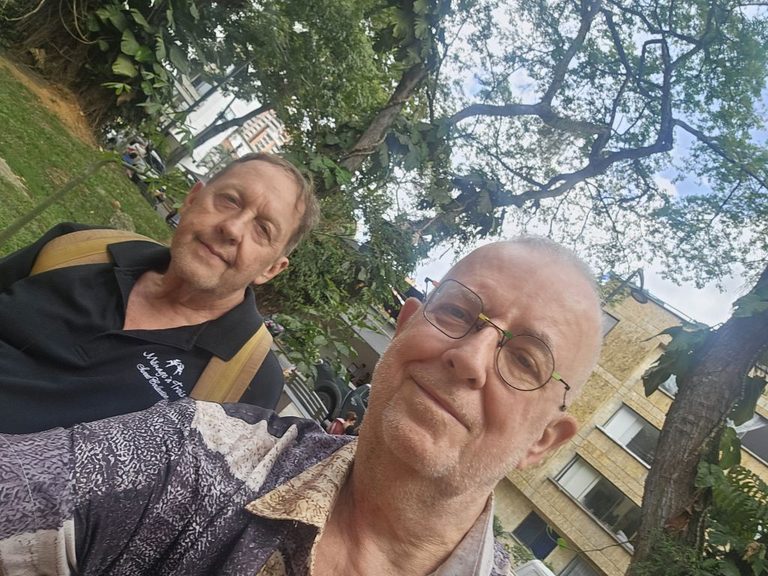
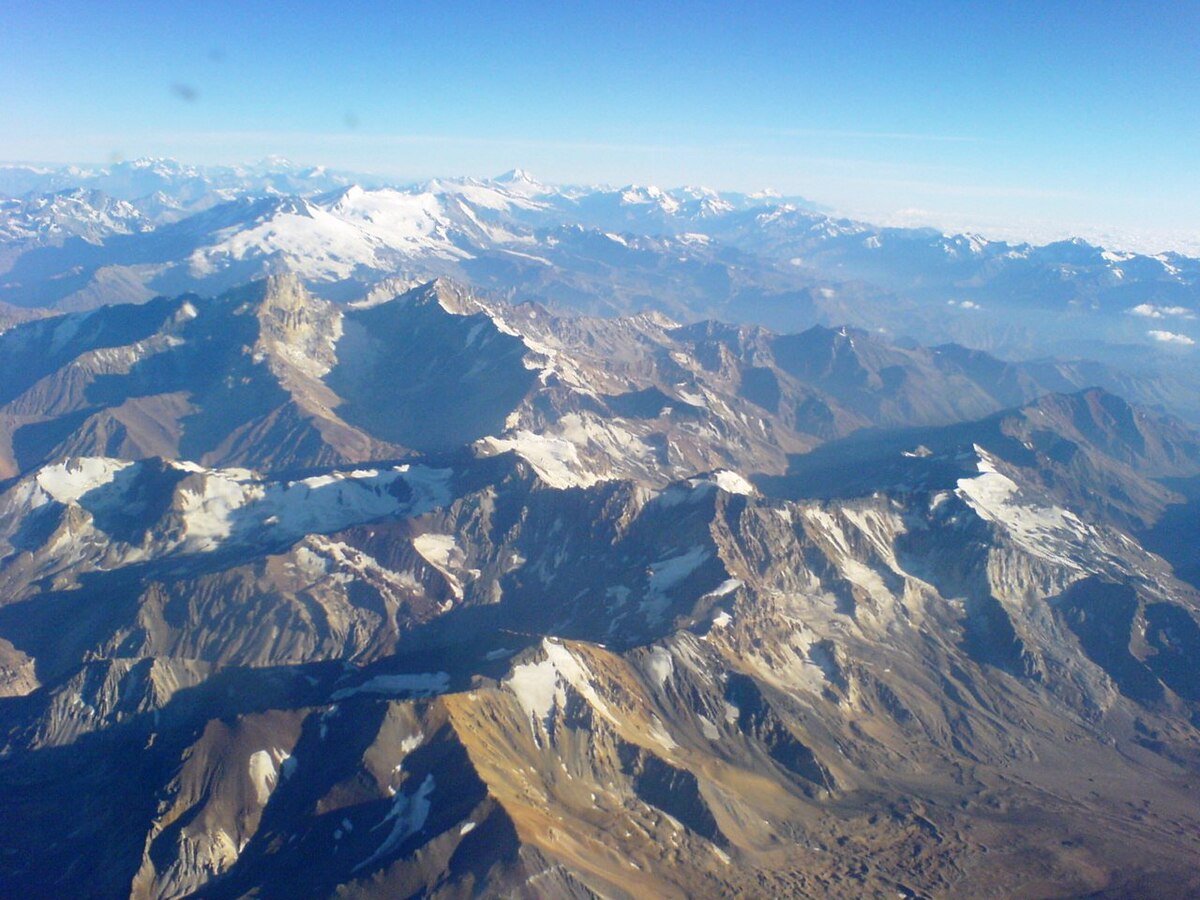
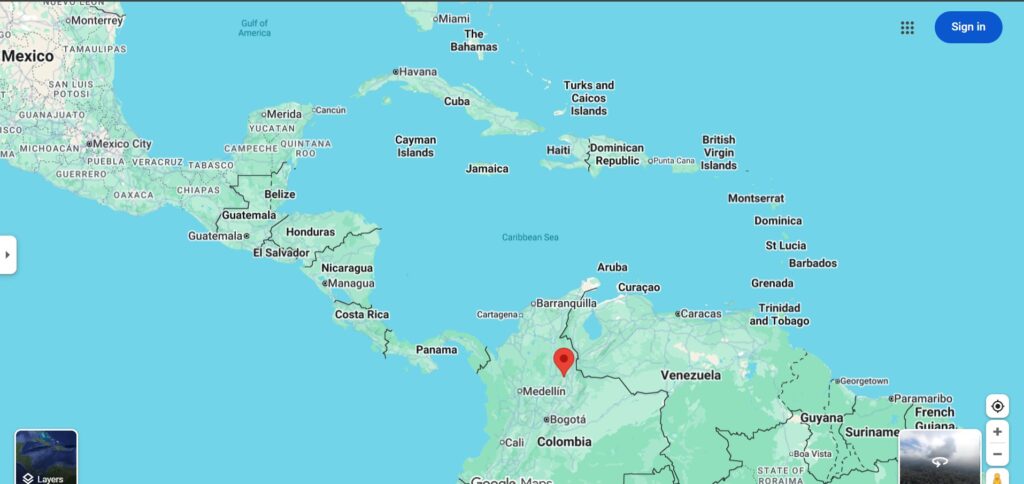
I’m watching Venezuela from northeastern Colombia, from a city called Bucaramanga, tucked into the eastern Andes. On a map, this looks close to the Venezuelan border, and it is. Close enough that one could be forgiven for assuming Caracas must be nearby.
But maps lie. Or rather, they flatten things that aren’t flat at all. Quite the opposite. Here, distance isn’t measured in miles so much as in effort.
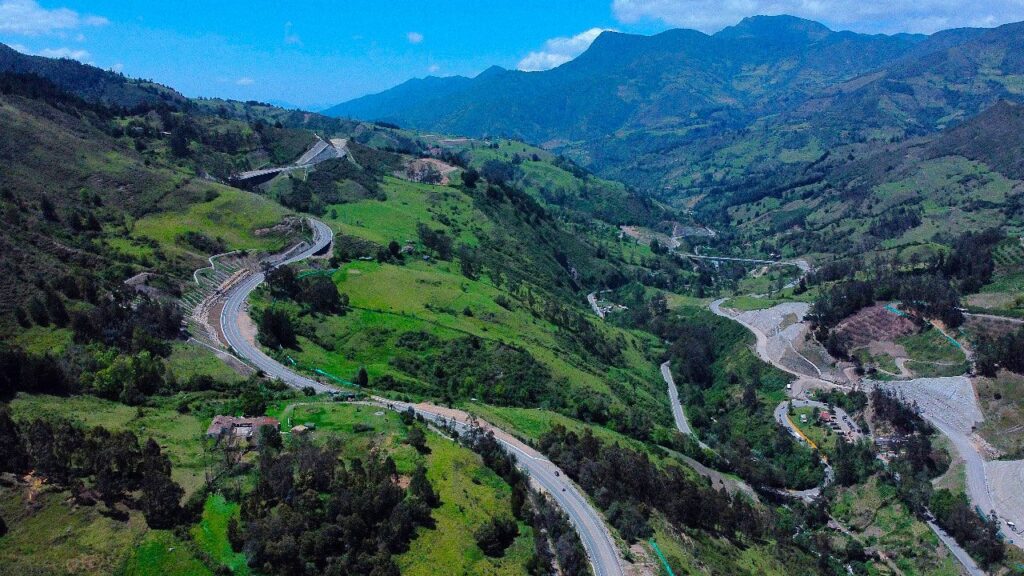
From where I’m standing, geography asserts itself daily. Roads curve instead of cutting straight lines.
Elevation changes perspective. A place that looks close on a screen can take hours to reach in reality. This matters, because when people talk about countries, borders, and power, they often do so as if movement were frictionless, as if geography were merely background instead of an active force.
I’ve been thinking about this because friends and family back in the United States sometimes ask how events in Venezuela affect us personally. They worry about our safety. They always have. But those concerns feel louder now, amplified by reckless and irresponsible talk from American politicians who treat military intervention as if it were a casual option, a lever to be pulled rather than a world to be disrupted.
I have found myself puzzling over my own sense of proximity. I love Google Maps. It makes everything look reassuringly simple. We live relatively close to Cúcuta, a Colombian city on the Venezuelan border that one of my closest friends is actively moving his family away from because of violence and instability. Not a single Colombian friend has ever suggested that visiting Cúcuta would be a good idea. It’s “near,” but not accessible in any simple way. Less than a hundred miles as the crow flies — yet hours away by bus or car.
Cúcuta is on nobody’s list of desirable Colombian cities to visit, and on several lists of cities to avoid. It is not a destination. It is a way station. Millions of Venezuelans fleeing the chaos in that country have passed through Cúcuta on their journey to find a place to hold out until the madness passes.
So yes, we do live relatively close to Venezuela. But the nearest significant border crossing is still several times farther from Caracas, the capital and center of political power, than it is from us here in Bucaramanga. This is where the map begins to mislead. “Close” starts to lose meaning.
Mountains aren’t just beautiful scenery here. They are also infrastructure. They decide how people move, where roads exist, and how power thins out as it travels. Anyone who has spent time in this part of the world understands this intuitively. Control degrades quickly once you move away from ports, capitals, and straight lines. Plans that look clean on paper become fragile on the ground, rewritten by friction, chance, and unexpected complications.
This is why it’s hard, from here, to take seriously the idea that Venezuela could be run from the outside quickly or easily. That a government could be removed, a problem solved, and that everything else would simply fall into place. History suggests otherwise. So does the terrain.
The world’s most powerful militaries are very good at planning and executing battles. They are efficient at seizing control of limited territory, neutralizing targets, and demonstrating force. What they are far less capable of doing is governing places they do not understand, did not build, and are not invited to run. That failure is often misdiagnosed as a lack of resolve or commitment. More often, it’s a lack of legitimacy.
Colonial projects rarely collapse because they lose battles. They collapse because they cannot make domination feel normal or sustainable. People resist being managed by outsiders, even when those outsiders claim good intentions. Time, fatigue, resentment, and local knowledge do their work slowly but relentlessly.
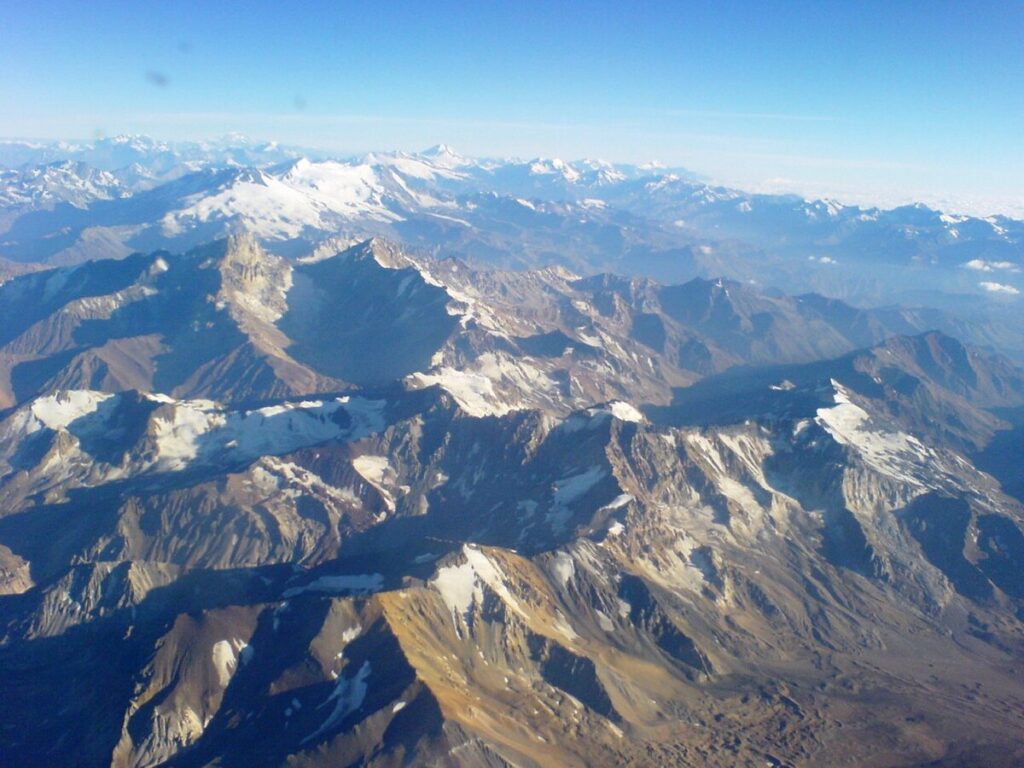
From this vantage point, geography becomes more than physical. It exposes the limits of certainty. It reveals how confidence grows with distance from consequence. The farther away decisions are made, the simpler they appear. The closer one is to the ground, the more complicated everything becomes.
This isn’t an argument about Venezuela alone. It’s an observation about power and perspective. Flat maps encourage flat thinking, whether one is planning a vacation or a foreign invasion. They make intervention look tidy. They erase friction. They invite fantasies of control that don’t survive contact with reality.
From where I’m standing, Venezuela doesn’t look like a problem waiting to be solved. It looks like a country shaped by terrain, history, and limits, the kind that humbles anyone who mistakes straight lines on a map for the way the world actually works.
I don’t claim to see the whole picture. My perspective is narrow, shaped by where I live and how I move through the world. But it’s closer to the ground than most. And from here, certainty dissolves quickly.
That, more than anything else, is something geography can teach us, if we let it.